
The potential difference developed between the reference electrode and sensing electrode is dependant on the activity of the hydrogen ions in solution. For an ideal electrode the response is defined by the Nernst equation:
E = Eo – 2.3 (RT/nF) log aH+
where:
E = total potential (in mV) developed between the sensing and reference electrode
Eo = standard potential of the electrode at aH+ = 1 mol/l
R = Gas constant
T = temperature °K
n = valency of ion
F = Faraday constant
aH+ = activity of the hydrogen ion in solution
The term 2.3RT/nF is referred to as the Nernst slope. For an ideal electrode the slope at 25°C is 59.16 mV per decade change in hydrogen ion activity (see Figure 1).
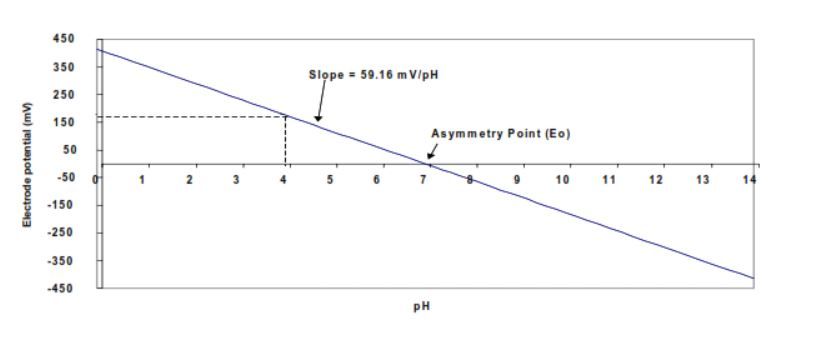
Figure 1 Slope of an ideal electrode @ 25°C
In practice the response of a real electrode does not exactly follow that predicted by the Nernst equation and must be compensated for. During calibration the meter determines the actual slope and asymmetry potential for the electrode in use and then matches the pH meter to the correct characteristics of the electrode in use.
Recent Comments